
01 · KNOWLEDGE
Grounded meaning
Responses are evaluated against the knowledge and context the system is authorised to use.
SYGON gives AI systems a governed semantic layer. Meaning is evaluated within authorised knowledge and context before consequential output is allowed to proceed.
AI can produce a convincing answer even when the required knowledge is absent. SYGON changes the operating model: the system does not rely on fluency alone to decide whether meaning is acceptable.
Responses are evaluated against the knowledge and context the system is authorised to use.
Intelligence operates within defined semantic boundaries rather than deciding its own scope.
When the required meaning cannot be established within the governed context, the safe outcome is to stop.
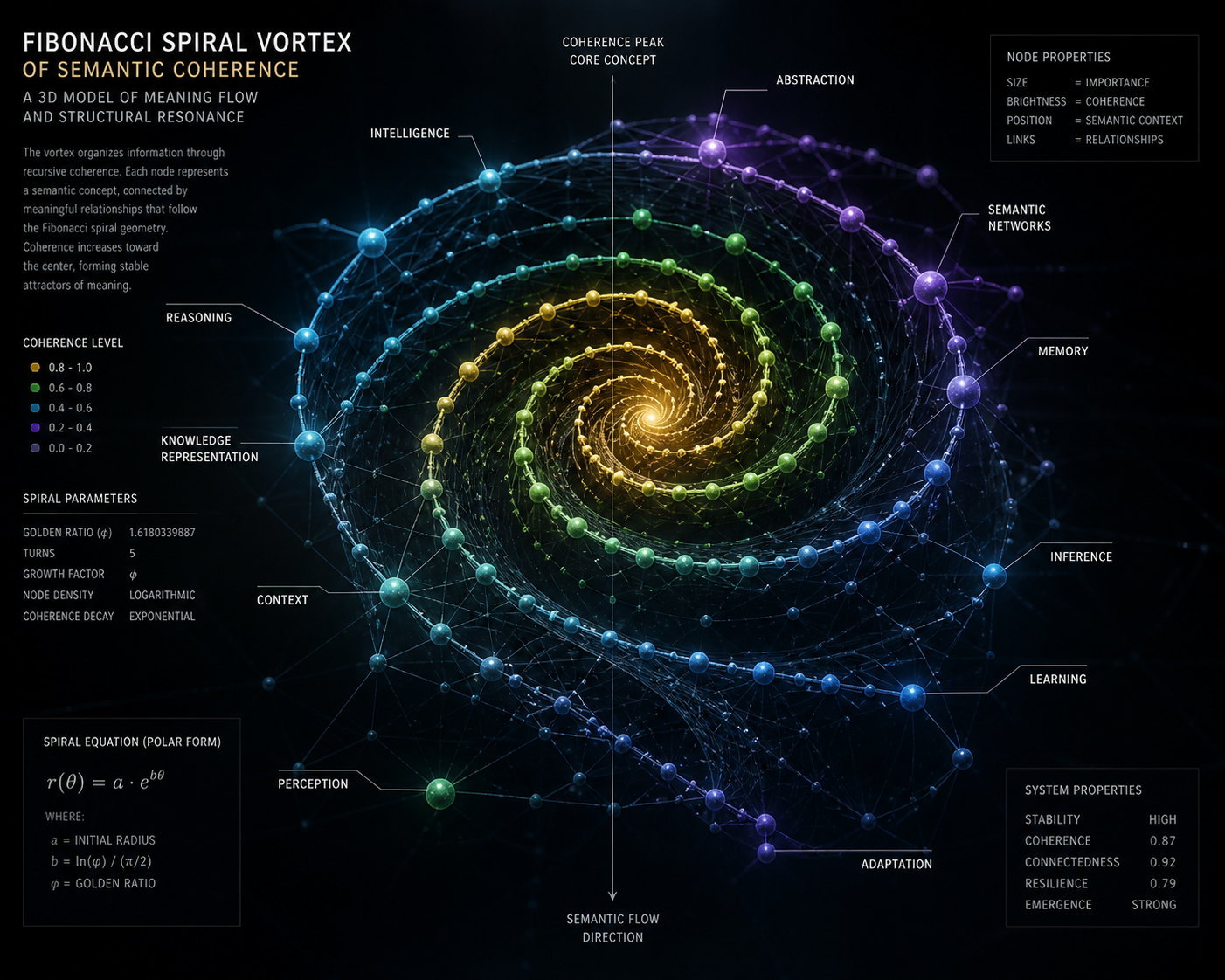
SYGON represents semantic relationships as a structured geometric environment. The purpose is not to expose the machinery behind the system, but to give intelligence a governed space in which meaning can be evaluated consistently.
SYGON is designed around a simple separation of responsibilities: intelligence can propose meaning, while governed infrastructure determines whether that meaning is admissible within the system's authorised context.
Meaning is evaluated against knowledge the system is permitted to use.
Semantic interpretation remains tied to the operating context and scope.
The system assesses whether the proposed meaning remains coherent with its governed environment.
Where governance cannot establish an acceptable result, the system can refuse rather than invent.
Customer service is only one application. The same architectural principle applies wherever an incorrect interpretation can create real-world consequences.
Keep answers grounded in approved organisational knowledge and prevent fluent invention when the required information is unavailable.
Give AI systems access to governed knowledge without allowing the model to silently redefine the scope of that knowledge.
Add a semantic governance layer before AI-generated information can influence actions, decisions, or downstream systems.
Establish consistent semantic boundaries across multiple AI experiences while preserving the governance model of each environment.
SYGON's role is to provide semantic governance around intelligence, helping determine whether meaning remains within the authorised environment.
It provides a governed semantic layer that can work with existing organisational knowledge and AI infrastructure.
Explore how SYGON can provide a governed semantic layer for your AI systems.